US drone rules for recreational pilots
What the FAA asks before you fly for fun, with a link to the source for each.
- Pass TRUSTThe Recreational UAS Safety Test is free and online. Carry proof that you passed when you fly. FAA
- Register drones of 250 g or moreIt costs $5, lasts three years and covers every drone you own. Mark the registration number on the outside. Under 250 g, flown for fun, you don't need to register. FAA
- Broadcast Remote IDSince September 16, 2023, a drone that must be registered must broadcast Remote ID, unless you fly at an FAA-Recognized Identification Area (FRIA). FAA
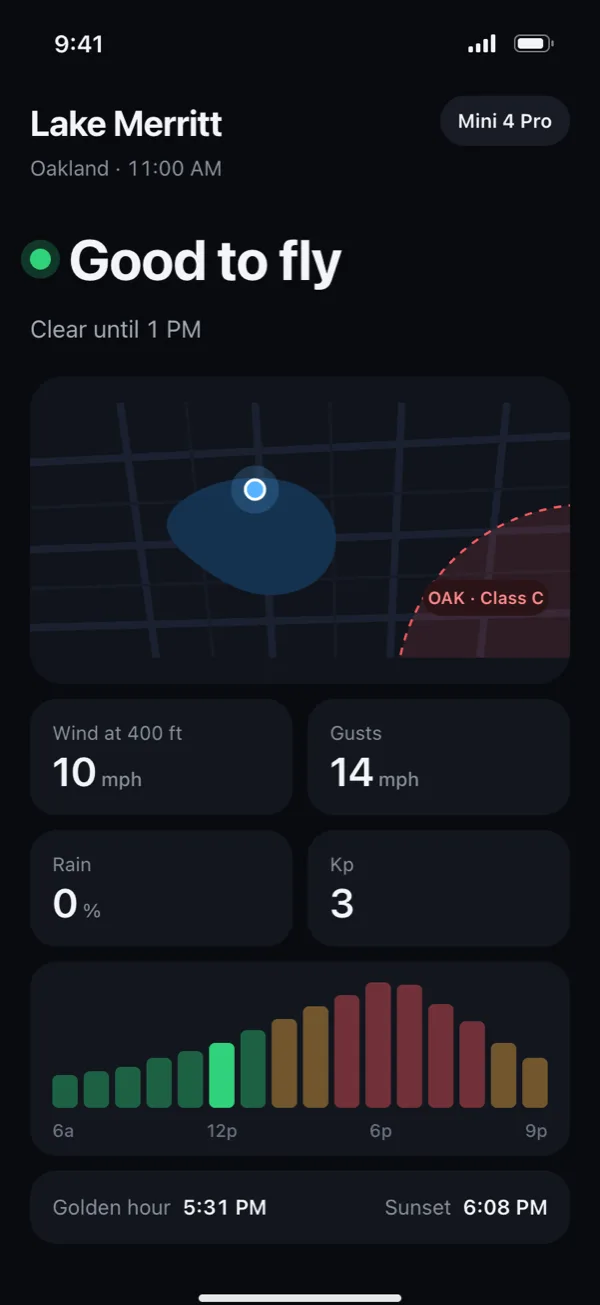
- Stay at or below 400 ftIn uncontrolled (Class G) airspace. FAA
- Get authorization near airportsControlled airspace (Class B, C, D and surface E) needs authorization first, through LAANC in an approved app or through FAA DroneZone. FAA
- Keep it in sightKeep the drone within your visual line of sight, or have a visual observer next to you, in direct contact. FAA
- Check where you can flyB4UFLY shows controlled airspace and flight restrictions for any spot. FAA
Flying for work, even once, falls under Part 107 instead, which needs a Remote Pilot Certificate.
Buying a new drone in 2026
In December 2025 the FCC added drones and drone components made abroad to its Covered List, so new foreign-made models can't get the FCC authorization they need to be sold in the US. The FCC says drones you already own can still be used, and models it authorized before aren't affected. Check its FAQ before you buy, since the rules are still moving.
Updated October 29, 2026